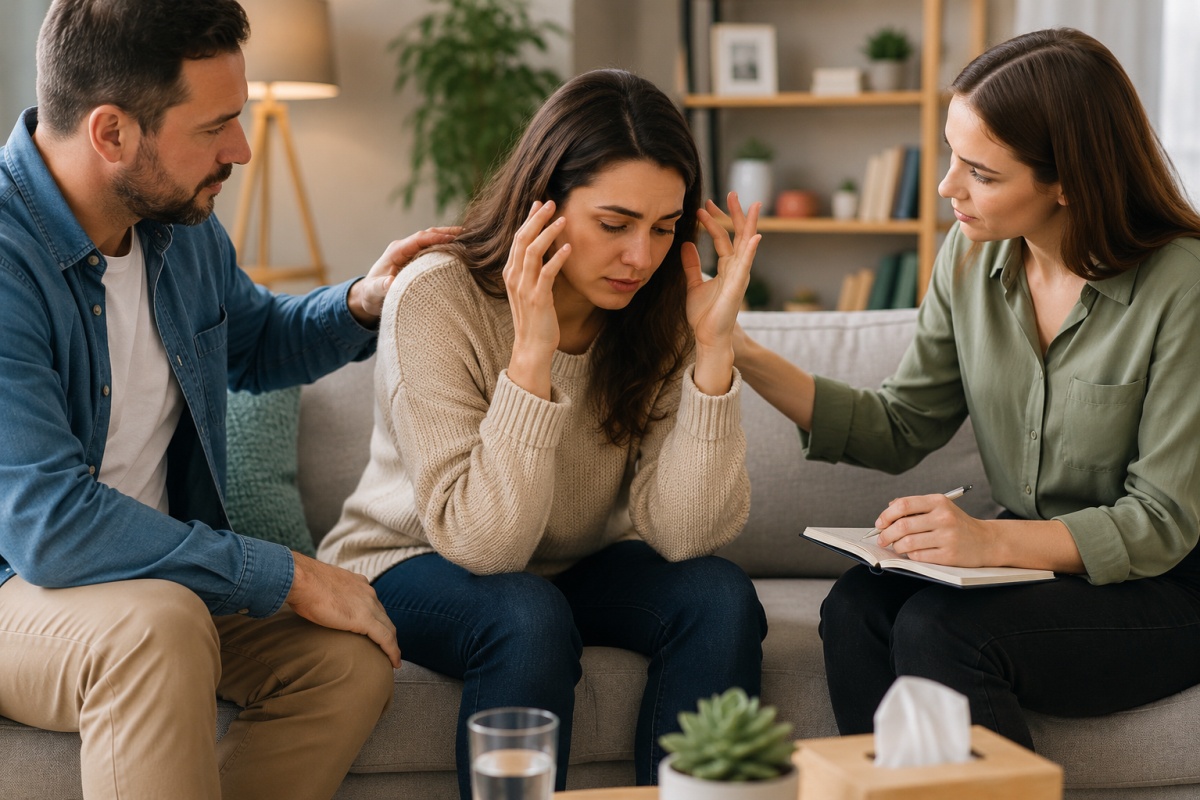
Addiction recovery looks different for women than it does for men. Women often carry layers of emotional pressure tied to family life, relationships, caregiving, trauma, body image, and mental health. Those experiences can shape how addiction develops and how recovery needs to happen. That is one reason more women are turning toward gender-specific treatment programs instead of traditional mixed environments.
A women-only rehab setting creates space for honesty without the fear of judgment, competition, or discomfort around male peers. Many women find it easier to discuss painful experiences, rebuild confidence, and focus fully on healing when surrounded by people facing similar struggles. Recovery is hard enough already. Feeling safe while doing it matters more than people realize.
A Safer Environment
One of the biggest reasons women seek gender-specific care is emotional safety. Many women entering treatment have experienced trauma, unhealthy relationships, or emotional abuse. Mixed-gender environments can sometimes make it harder to open up during therapy or group discussions.
For many patients, a rehab for women only is the best choice because it removes social pressure and allows women to focus on recovery instead of worrying about appearances, attention, or discomfort around men. That shift can completely change the treatment experience.
Women-only programs also tend to address issues that are more common among female patients. Topics like motherhood, fertility concerns, relationship patterns, eating disorders, and emotional burnout often receive more attention in specialized settings. Instead of feeling like side conversations, these concerns become part of the actual treatment plan.
Better Emotional Support
Women often build strong emotional connections during recovery, and that support system can become one of the most valuable parts of treatment. Group therapy in a women-only setting usually feels more personal and less guarded. Conversations tend to go deeper because participants feel understood instead of analyzed.
That emotional support continues outside therapy sessions too. Women in treatment often encourage one another through difficult moments, celebrate milestones together, and form friendships that continue after rehab ends. Recovery can feel isolating at first, especially for women who have spent years hiding what they were going through. Being around others who genuinely understand the emotional side of addiction can make a major difference.
Specialized programs also tend to use therapy approaches that better reflect how women process stress and trauma. Instead of focusing only on stopping substance use, treatment often looks at emotional triggers, self-worth, anxiety, depression, and relationship patterns.
Healthier Daily Routines
Recovery is not just about removing substances. It is also about rebuilding daily life in a way that supports physical and emotional stability. Gender-specific rehabs for women often place a stronger focus on wellness routines that help patients reconnect with themselves again.
Many programs encourage healthier lifestyles through nutrition counseling, movement, mindfulness practices, sleep support, and stress management. These routines may sound simple, but they become extremely important during recovery because addiction usually damages physical health alongside emotional health.
Women in treatment also benefit from learning how to maintain routines after rehab ends. Building consistency creates structure during a time when life may feel uncertain or overwhelming. In many programs, therapists emphasize self-care habits like taking care of your skin, your mental health and getting enough sleep because recovery becomes harder when basic health is neglected.
That kind of guidance helps women stop seeing self-care as something selfish or unnecessary. Instead, it becomes part of long-term recovery and emotional stability.
Stronger Trauma Treatment
Trauma and addiction are deeply connected for many women. Some women begin using substances after abuse, grief, toxic relationships, or long-term emotional stress. Others use substances to cope with anxiety, panic, or feelings they never learned how to process safely.
Women-only rehab centers are often better equipped to address trauma directly. Staff members are usually trained in trauma-informed care, which means they understand how past experiences affect behavior, emotional regulation, and recovery progress.
This matters because harsh treatment environments or overly aggressive approaches can sometimes push women further into shame instead of helping them heal. Trauma-informed care focuses on trust, communication, emotional safety, and gradual progress. Patients are encouraged to rebuild confidence while learning healthier coping skills.
Many women discover during treatment that addiction was only one piece of a much larger emotional picture. Addressing trauma alongside substance use creates a stronger foundation for lasting recovery.
Focused Long-Term Recovery
Recovery does not end after rehab. One of the biggest benefits of women-specific treatment is the focus on long-term support and relapse prevention. Women often leave treatment and immediately return to stressful environments filled with caregiving responsibilities, work pressure, financial concerns, or unhealthy relationships. Without preparation, those stressors can quickly become overwhelming.
Gender-specific rehabs often spend more time helping women prepare for real-world situations. Patients may work on communication skills, setting boundaries, rebuilding confidence, and identifying emotional triggers before returning home.
Programs also help women create realistic aftercare plans that fit their actual lives. That may include ongoing therapy, support groups, sober living arrangements, outpatient care, or wellness planning. The goal is not perfection. The goal is building a sustainable life that supports recovery instead of working against it.
Women who feel emotionally supported and understood during treatment are often more likely to stay engaged in recovery after leaving rehab. That continued commitment can improve long-term outcomes significantly.
Gender-specific rehabs give women the chance to recover in an environment built around their experiences, emotional needs, and long-term health. From trauma support to emotional safety and healthier daily routines, these programs offer benefits that many women simply do not find in mixed-gender treatment settings. Recovery takes honesty, patience, and support. For many women, healing becomes far more possible when they are surrounded by people who truly understand what they are carrying.