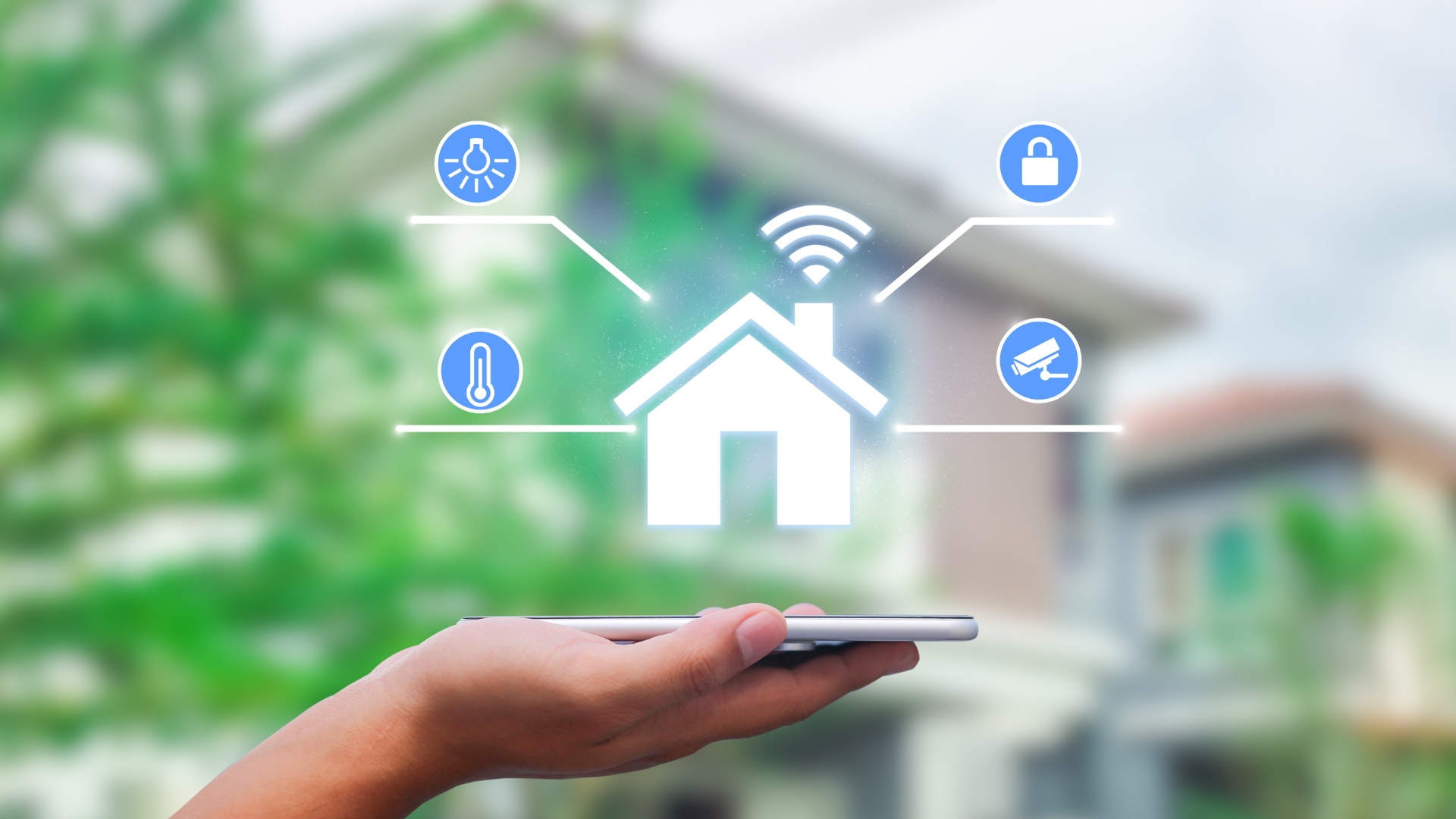
The rapid rise of smart technology, artificial intelligence, and connected devices has reshaped how people think about protecting their homes. With tech innovation leading the way, home security has evolved into a dynamic system that offers convenience, efficiency, and peace of mind.
The Shift from Traditional Systems to Smart Home Security
For decades, home security relied heavily on manual systems like mechanical locks, wired alarms, and basic motion detectors. While these methods were helpful, they provided limited visibility and response. A break-in often triggered a loud siren, but without direct alerts or monitoring, the homeowner could remain unaware until much later.
Modern innovations have introduced smart home security solutions that combine real-time monitoring, remote access, and automation. Devices such as smart locks, wireless cameras, and intelligent sensors now connect seamlessly through mobile applications. This transformation allows homeowners to monitor their property from anywhere, control systems with voice commands, and receive instant alerts when unusual activity occurs.
The Role of Artificial Intelligence in Home Security
Artificial intelligence has become one of the most influential technologies shaping modern home security. AI-powered cameras can now differentiate between routine movements and suspicious activity, reducing the chances of false alarms. Facial recognition systems allow for more personalized security, ensuring that family members, friends, and frequent visitors are quickly identified.
Machine learning algorithms also enhance predictive security measures. By analyzing patterns of movement, AI can detect unusual behavior and alert the homeowner before an incident takes place. This proactive approach marks a shift from reactive to preventive home security, ensuring greater safety for families.
Smart Cameras and Real-Time Monitoring
One of the most visible innovations in home security is the smart camera. Unlike older surveillance systems, today’s cameras offer high-definition video, night vision, motion tracking, and cloud storage. Homeowners can access live feeds directly from their smartphones, enabling them to respond instantly if a situation arises.
Some advanced systems even provide two-way communication, allowing individuals to speak directly through the camera to visitors, delivery personnel, or even potential intruders. This feature not only enhances security but also adds convenience, as packages can be managed or visitors acknowledged without opening the door.
Integration of Smart Locks and Access Control
Locks have always been central to home security, but the emergence of smart locks has revolutionized access control. With features like biometric authentication, keypad entry, and smartphone unlocking, homeowners now have greater flexibility in securing their property. Remote access also allows family members or trusted guests to enter without physical keys, which reduces the risks associated with lost or stolen keys.
Some smart locks integrate with broader security systems, sending alerts whenever doors are opened or tampered with. This seamless connection between entry points and digital systems strengthens the overall reliability of home security measures.
Internet of Things (IoT) and Connected Security Devices
The Internet of Things has played a crucial role in reshaping home security. By connecting multiple devices—cameras, sensors, locks, and alarms—into one cohesive ecosystem, IoT ensures that every element works together harmoniously. A window sensor detecting a forced entry can immediately trigger the alarm, activate cameras, and notify the homeowner through a mobile app.
This interconnected approach not only improves efficiency but also provides homeowners with a comprehensive view of their property’s security. The ability to manage all devices from one dashboard increases convenience and ensures quicker response times during emergencies.
Cloud Storage and Data Security
With smart home security systems relying heavily on digital data, cloud storage has become essential. Unlike traditional systems, where footage was stored on physical drives that could be damaged or stolen, cloud storage offers safe and accessible data preservation. Homeowners can review past events, share evidence with authorities, and store information securely without fear of losing critical files.
To strengthen trust, many security providers now use encrypted storage and advanced authentication methods to protect sensitive data from cyber threats. This focus on cybersecurity highlights how innovation not only protects physical spaces but also ensures digital security.
Mobile Apps and Remote Management
The ability to control home security through mobile apps has changed the way homeowners engage with their systems. These apps provide instant notifications, live video feeds, and remote control features, allowing individuals to monitor and manage their property while traveling or at work.
Geofencing technology adds another layer of automation, enabling systems to arm or disarm based on the homeowner’s location. For example, a system can automatically activate once the family leaves the house and deactivate upon their return, ensuring continuous protection without manual input.
Voice Assistants and Automation
Voice technology has also found a place in home security. Integration with voice assistants such as Amazon Alexa, Google Assistant, or Apple’s Siri allows users to control systems with simple commands. Homeowners can lock doors, check camera feeds, or arm alarms through voice interaction, enhancing accessibility and convenience.
Combined with automation, these features create a smarter environment where lights, alarms, and locks can work in unison to simulate presence, discourage intruders, and improve energy efficiency. This holistic approach demonstrates how home security now extends beyond just protection and contributes to a smarter lifestyle.
The Future of Home Security
Looking ahead, innovation will continue to reshape home security in profound ways. Emerging technologies such as biometric verification, drone surveillance, and advanced AI analytics will further strengthen security systems. As 5G connectivity expands, devices will communicate faster and more reliably, enabling even more responsive solutions.
Sustainability will also become an important factor. Solar-powered cameras, energy-efficient sensors, and eco-friendly devices will gain popularity as homeowners seek both safety and environmental responsibility. The future of home security lies in creating systems that are intelligent, sustainable, and deeply integrated into daily life.
FAQs
- How has technology improved home security?
Technology has improved home security by introducing smart cameras, AI monitoring, mobile apps, and IoT connectivity that allow real-time alerts and remote control. - What role does AI play in modern home security?
AI enhances home security by recognizing patterns, reducing false alarms, and predicting unusual activity to prevent incidents before they occur. - Are smart locks reliable for home security?
Yes, smart locks provide secure entry through biometrics, PIN codes, and mobile access, offering convenience and stronger protection compared to traditional keys. - How does IoT affect home security systems?
IoT connects cameras, sensors, and alarms into one ecosystem, ensuring devices work together to provide comprehensive and efficient protection. - What is the future of home security technology?
The future of home security includes AI-powered analytics, biometric verification, drone surveillance, and eco-friendly devices that provide smarter and more sustainable protection.
Conclusion
Tech innovation has transformed home security from a static system into a dynamic and intelligent network. With AI, IoT, smart cameras, smart locks, and mobile integration, homeowners now have more control, awareness, and peace of mind than ever before. The continuous advancement of technology ensures that security systems will remain adaptable, proactive, and effective against evolving threats. Home security is no longer just about protecting property—it is about building a safer, smarter, and more connected lifestyle for modern families.
3 thoughts on “How Tech Innovation Is Reshaping Home Security?”