If you have ever questioned why gold prices seem to rise and fall day-to-day or why two buyers would offer two different prices for the same gold chain, it all relates to the pricing of gold and silver. Understanding how gold and silver are priced is important, especially if you want to buy, sell, or invest in precious metals.
In this article, we will solve this using plain language and explain how gold and silver get priced, what “melt value” really means, and how tools such as a gold calculator from MeltCalculator.com can help you with better financial judgments.
Let’s get this started.
Global Markets Control the Price of Precious Metals
Gold, silver, platinum, and palladium, as with stocks or oil, are traded. They are traded on global commodity exchanges. These exchanges are where large-scale trading can affect prices. The key exchanges are the most influential.
- COMEX (Commodity Exchange, New York): Futures for gold and silver
- NYMEX (New York Mercantile Exchange): Metals, oil, and commodities
- LME (London Metal Exchange): Sets major prices for base metals (and some precious)
As part of the trading every day, you get a spot price (current price for the immediate delivery of the metal).
So whenever anyone asks, “How is gold priced?” The short answer is supply and demand, global trade complexity, and the investors’ behavior at any given moment in time, on any one of the major exchanges.
Why Do Gold and Silver Prices Fluctuate?
Gold and silver prices change minute to minute due to:
- Economic conditions: Inflation, recession, and global crises impact demand
- Interest rates: Higher rates can lower gold appeal; lower rates can boost it
- Currency strength: A weaker U.S. dollar usually pushes gold prices higher
- Geopolitical uncertainty: Wars, elections, and turmoil can drive metal prices up
These daily changes mean that even a one-day delay in selling your jewelry or coins could affect how much you earn, especially if you’re not tracking the current gold price.
What Is Melt Value and Why Should You Care?
Let’s say you’re selling an old gold ring. A dealer won’t pay based on how it looks, they care about its melt value.
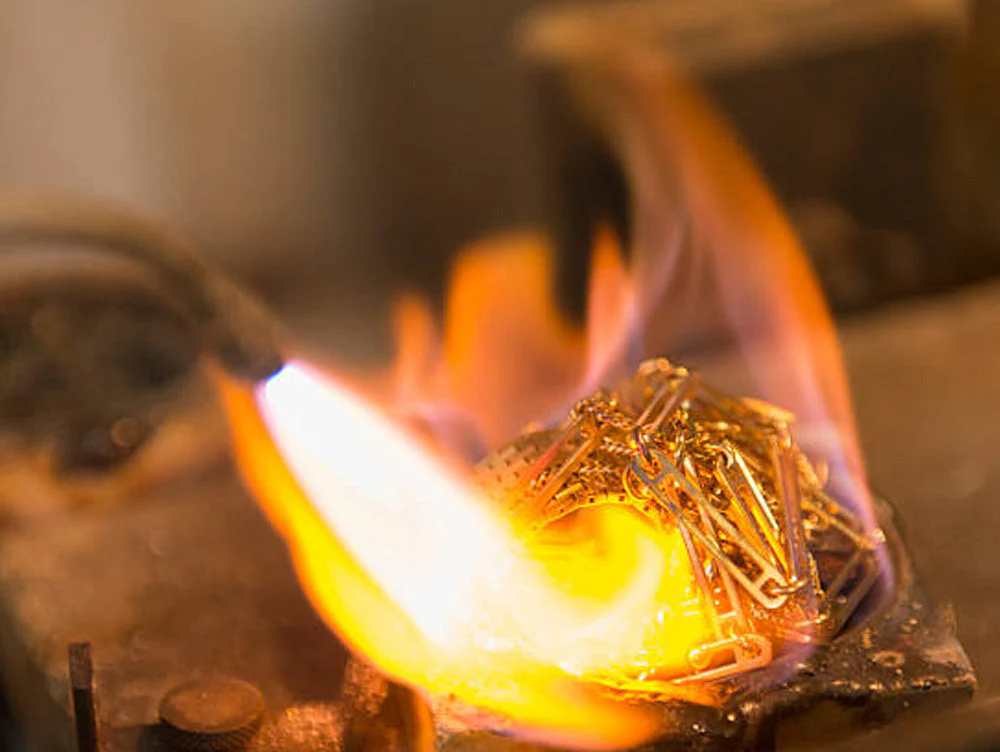
Melt value is the base price of your item if it were melted down for its gold, silver, or platinum content. It’s calculated using:
- Weight of the item
- Purity (karat or percentage)
- Spot price of the metal
You can find this value easily using a melt value calculator, like the one on MeltCalculator.com.
Example: Calculating Melt Value with a Gold Calculator
You have a 14k gold chain that weighs 12 grams.
- 14k = 58.3% pure
- 12g x 0.583 = 6.996g of pure gold
- Multiply by the gram of gold price (say, $70/gram)
- Melt value = 6.996 x $70 ≈ $489.72
This number helps you evaluate offers fairly. If a buyer offers only $300, you’ll know they’re lowballing you.
Why Understanding Pricing Matters?
If you’re a:
- Scrap seller: Knowing melt value helps avoid being underpaid
- Investor: Spot pricing helps you buy/sell at the right moment
- Coin dealer: Differentiate between collectible vs. melt value
- Jewelers and refiners: Price inventory based on live metal values
It’s not enough to search “sell gold jewelry near me” and take the first offer. Knowing how gold is priced and using a scrap gold calculator gives you control.
Use MeltCalculator.com to Track Real-Time Pricing
MeltCalculator.com is a free, accurate, and easy-to-use scrap metal pricing tool that:
- Tracks live gold, silver, platinum, and palladium prices
- Let’s you choose purity (e.g., 10k, 14k, 18k, 24k)
- Works with grams, ounces, or pennyweights
- Shows the exact melt value using the current gold price
It’s also great for students or dealers looking for a grade calculator with weights to compare different purity levels.
Spot Price vs. Market Value: Know the Difference
Many sellers confuse spot price, melt value, and market value. Here’s a simple breakdown:
- Spot Price: What 1 oz of pure metal trades for right now
- Melt Value: What your specific item is worth as raw metal
- Market Value: Includes branding, design, rarity, or collectability
If you’re selling scrap, melt value is what matters most.
Conclusion: Knowledge = Profit
Understanding how gold and silver are priced empowers you to make informed decisions. Whether you’re selling old jewelry, coins, or bullion, or just tracking metal investments, knowing how prices are set is essential.
- Use a gold calculator to evaluate your items
- Check the current gold price daily
- Know the melt value before you sell anything