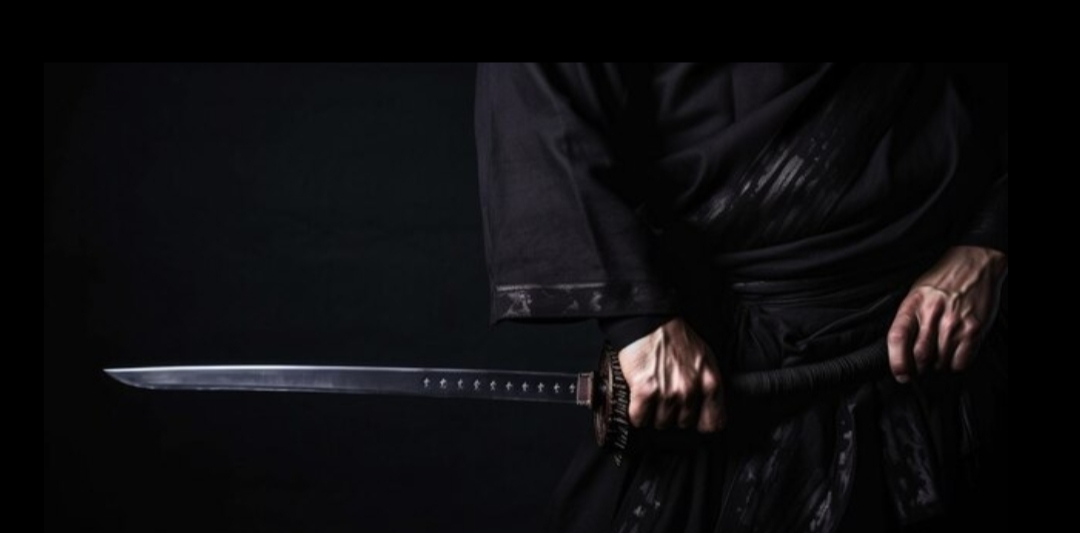
The Cold Steel Emperor Double Edged Katana represents a fascinating intersection of traditional Japanese swordsmanship and contemporary blade engineering. This remarkable weapon challenges conventional katana design while honoring the centuries-old craftsmanship that made samurai swords legendary. For martial arts enthusiasts, collectors, and students of Japanese culture, the Emperor Katana offers a unique opportunity to experience the cutting power and balanced handling that defined an era.
This comprehensive examination will explore every aspect of the Cold Steel Emperor, from its innovative double-edged construction to its performance characteristics in both martial arts applications and cutting tests. Whether you’re seeking your first katana or adding to an established collection, understanding the nuances of this modern interpretation will help you appreciate both its technical merits and cultural significance.
The Legacy of Japanese Swords Through History
The katana emerged during Japan’s Kamakura period (1185-1333) as the preferred weapon of the samurai class, evolving from earlier straight-bladed designs into the curved, single-edged masterpieces we recognize today. These Japanese swords served not merely as weapons but as extensions of the warrior’s soul, embodying spiritual principles alongside deadly efficiency.
Traditional katana construction involved complex metallurgical techniques passed down through generations of master swordsmiths. The legendary Masamune and his contemporaries developed folding methods that created blades with hard, sharp edges supported by flexible spines—a combination that prevented catastrophic failure during combat. This careful balance of hardness and resilience became the hallmark of authentic Japanese sword craftsmanship.
The cultural significance of samurai swords extended far beyond their battlefield applications. Each blade represented honor, duty, and the warrior’s commitment to bushido—the way of the warrior. This spiritual dimension transformed katana from simple cutting tools into revered artifacts that connected their wielders to centuries of tradition and philosophical understanding.
Engineering Excellence: The Cold Steel Emperor’s Construction
The Cold Steel Emperor Double Edged Katana breaks from traditional design with its distinctive dual-cutting edge configuration, while maintaining the essential characteristics that define authentic Japanese swords. The blade is forged from high-carbon steel, specifically selected for its ability to achieve and maintain razor-sharp edges while providing the structural integrity required for serious cutting applications.
Measuring approximately 28 inches in blade length, the Emperor features a subtle curve that maintains the katana’s signature geometry while accommodating the double-edged design. The fuller (blood groove) running along the blade’s center reduces weight without compromising strength, creating a perfectly balanced weapon that responds predictably to the wielder’s intentions.
The handle construction follows traditional methods, featuring a full tang that extends completely through the grip for maximum structural integrity. Wrapped in premium ray skin (same) and bound with silk cord (ito) in the traditional diamond pattern, the handle provides secure grip and authentic tactile feedback. The tsuba (hand guard) showcases intricate metalwork that protects the hand while adding visual appeal to the overall design.
Performance and Handling Characteristics
The Emperor’s double-edged configuration dramatically alters its cutting dynamics compared to traditional single-edged katana designs. This modification enables both draw cuts and thrust attacks with equal effectiveness, expanding the weapon’s tactical applications while maintaining the fluid cutting motion that defines Japanese swordsmanship.
Balance point positioning remains critical for proper handling, and Cold Steel has engineered the Emperor to maintain the forward-weighted feel that characterizes authentic samurai swords. This careful weight distribution ensures that cutting techniques flow naturally, whether executing basic strikes or complex kata sequences. The blade responds with precision to subtle wrist movements, allowing practitioners to develop the refined control essential for advanced martial arts training.
The high-carbon steel construction delivers exceptional edge retention and cutting performance across various target materials. Test cutting through traditional media such as bamboo, tatami mats, and rolled targets demonstrates the Emperor’s ability to maintain sharpness through extended use while providing the clean, controlled cuts that separate quality blades from inferior reproductions.
Traditional Design Versus Modern Innovation
Comparing the Cold Steel Emperor to historical katana reveals both respectful adherence to proven principles and bold departures from conventional wisdom. Traditional Japanese swords featured single-edged blades optimized for specific cutting angles and techniques developed over centuries of combat experience. The Emperor’s double-edged design sacrifices some of this specialized functionality in favor of versatility and tactical flexibility.
The advantages of Cold Steel’s approach include enhanced thrusting capability and the ability to cut effectively with both sides of the blade—features that expand the weapon’s utility in various martial arts applications. Modern steel production methods also ensure consistent quality and performance characteristics that can exceed those of historical examples, particularly in terms of reliability and durability.
However, traditionalists may argue that the double-edged configuration compromises the essential character that defines authentic katana. The subtle geometry differences required to accommodate dual cutting edges alter the blade’s interaction with targets, potentially affecting the development of classical technique and the spiritual connection between practitioner and weapon that forms the foundation of Japanese swordsmanship.
Maintenance and Preservation Techniques
Proper care of the Cold Steel Emperor requires understanding both the blade’s modern construction and traditional maintenance principles that have preserved Japanese swords for centuries. Regular cleaning removes moisture and contaminants that could initiate corrosion, while proper oiling protects the steel surface and maintains the blade’s appearance.
The cleaning process begins with careful disassembly of the handle components, allowing access to the tang and hidden areas where moisture commonly accumulates. Using appropriate solvents and soft cloths, remove all traces of fingerprints, cutting residue, and environmental contamination. Pay particular attention to the area where the blade meets the handle, as this junction often traps moisture that can cause serious damage over time.
Storage considerations become critical for long-term preservation. The katana should rest in a clean, dry environment with stable temperature and humidity levels. Traditional storage methods using wooden sheaths (saya) provide excellent protection while allowing the blade to “breathe” and prevent moisture accumulation. Regular inspection schedules help identify potential problems before they develop into serious restoration issues.
Choosing Your Path: Investment and Application
The Cold Steel Emperor Double Edged Katana occupies a unique position among available Japanese swords, offering genuine cutting performance and authentic construction details at a significantly lower price point than museum-quality antiques or custom-forged pieces. For martial arts practitioners seeking a reliable training weapon, the Emperor provides the weight, balance, and edge characteristics necessary for serious technique development.
Collectors will appreciate the blade’s innovative design elements and quality construction, though they should consider whether the non-traditional double-edged configuration aligns with their collection focus. The Emperor represents modern interpretation rather than historical reproduction, making it most suitable for those interested in functional evolution rather than strict authenticity.
The investment value extends beyond the initial purchase price to encompass the educational and training opportunities the blade provides. Learning proper maintenance techniques, developing cutting skills, and understanding the cultural context surrounding katana ownership creates lasting value that appreciates over time through knowledge and experience.
A Modern Chapter in Ancient Tradition
The Cold Steel Emperor Double Edged Katana successfully bridges the gap between historical craftsmanship and contemporary innovation, creating a weapon that honors traditional principles while exploring new possibilities. Its construction quality, performance characteristics, and attention to authentic details make it a worthy addition to any serious collection or training arsenal.
For those seeking their first serious katana, the Emperor offers an excellent introduction to Japanese sword culture without the intimidating price point of master-crafted pieces. Experienced practitioners will find the double-edged configuration provides new perspectives on familiar techniques while maintaining the essential character that makes katana training so rewarding.
The blade’s greatest strength lies in its ability to serve multiple roles—functional cutting tool, training weapon, display piece, and cultural artifact—while excelling in each application. This versatility, combined with Cold Steel’s reputation for quality and durability, makes the Emperor a sound investment for anyone drawn to the enduring appeal of masterfully crafted Japanese swords.