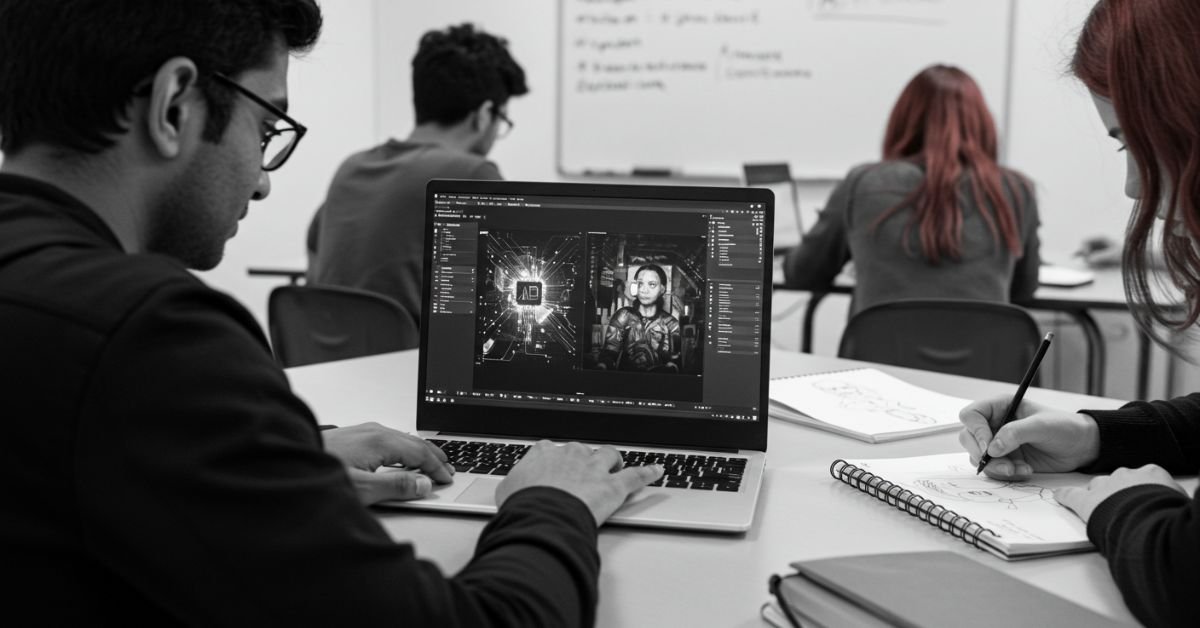
The rise of artificial intelligence (AI) has brought about a profound shift in nearly every industry, and education is no exception. In particular, AI art generators are proving to be an invaluable tool in creative education, offering new possibilities for students and teachers alike. These technologies, which generate unique art based on input prompts, are shaping the way students approach creativity, critical thinking, and collaboration. The integration of AI art tools into classrooms is enhancing traditional teaching methods, giving students a chance to explore artistic concepts in innovative ways.
The Emergence of AI Art Generators
AI art generators are software tools powered by artificial intelligence and machine learning algorithms that enable users to create visual art simply by providing text-based prompts. The process typically involves neural networks that have been trained on vast amounts of data to recognize and generate images based on the user’s input. As the technology has evolved, it has become more accessible, user-friendly, and capable of producing high-quality artwork in a variety of styles.
One of the most impressive aspects of AI art generators is their versatility. They can generate everything from abstract paintings to realistic landscapes, portraits, or even completely fantastical scenes. This capability allows students to experiment with different artistic techniques and mediums without the limitations of traditional tools.
Enhancing Creativity in the Classroom
The integration of AI art generators into classrooms is revolutionizing how creativity is nurtured and developed in students. Traditional art classes often focus on honing specific skills, such as drawing, painting, or sculpting, and require access to physical materials. While these methods are still incredibly valuable, they can sometimes limit the range of experimentation and exploration that students can engage in. AI art generators eliminate many of these limitations.
For example, students can use an AI art generator to experiment with different styles and techniques that they may not have the skill or resources to master on their own. They can generate multiple variations of a piece of art in a matter of minutes, helping them understand the nuances of style, color, and composition without the need for expensive tools or lengthy practice sessions. This instant feedback can boost students’ confidence, inspire them to try new things, and encourage them to take creative risks they might otherwise avoid.
Moreover, AI art generators can also help students gain an appreciation for art history and different artistic movements. Students can ask the AI to generate images in the style of famous artists, such as Picasso or Van Gogh, or explore new and experimental styles that may not yet exist. This allows for a deeper understanding of artistic evolution and can spark students’ interest in exploring various periods of art history in greater detail.
Expanding Access to Creative Education
One of the most powerful aspects of AI art generators is their potential to democratize access to creative education. Traditional art programs often come with barriers such as the cost of materials, the need for specialized instruction, and the availability of physical space and resources. In contrast, AI art generators are typically accessible via computers, tablets, or smartphones, making them available to a wider range of students, regardless of their socioeconomic background.
By incorporating AI art generators into classrooms, educators can ensure that all students have access to the tools they need to explore their creativity. This is especially valuable in communities where resources for art education may be limited or where access to high-quality art instruction is scarce. AI tools can level the playing field, offering students a unique opportunity to engage with creative education in a way that was previously unavailable to them.
In addition, AI art generators have the potential to bridge the gap between various art forms and disciplines. Students can use AI tools to create digital art, graphic design, or even animations, making it easier to integrate art with other subjects like science, technology, engineering, and mathematics (STEM). This interdisciplinary approach encourages students to see the connections between creativity and other fields of study, fostering a more well-rounded education.
Encouraging Collaborative Learning
AI art generators are also opening up new possibilities for collaboration in the classroom. The ability to create and manipulate digital artwork instantly makes it easier for students to work together on projects, share their ideas, and provide constructive feedback. By working with AI tools, students can quickly generate multiple drafts or prototypes of their artwork, which can be refined and improved through group discussions.
This collaborative environment encourages teamwork and helps students develop important soft skills, such as communication, problem-solving, and adaptability. The use of AI in creative projects can also facilitate cross-cultural collaboration, as students from diverse backgrounds can easily share their work and draw inspiration from one another. This fosters a sense of community and allows students to engage with global artistic trends and movements.
Moreover, AI art generators can help students understand the importance of iteration and refinement in the creative process. While traditional art forms often require students to spend hours perfecting their work, AI-generated art can be revised and improved quickly, allowing for rapid experimentation. This can help students develop a growth mindset, as they see the value in making mistakes and learning from them rather than striving for perfection from the outset.
Facilitating Personalized Learning
AI art generators can also support personalized learning by adapting to the unique needs and preferences of individual students. Unlike traditional teaching methods, which often follow a one-size-fits-all approach, AI tools can offer tailored experiences based on a student’s interests, abilities, and goals. For instance, a student who is interested in surrealism might use an AI art generator to create art in this specific style, while another student with an interest in portraiture can focus on creating realistic human figures.
Personalized learning through AI art generators allows students to progress at their own pace and explore their artistic interests in a way that aligns with their individual strengths and passions. It also enables teachers to provide more targeted instruction, as they can assess students’ work more effectively and offer customized feedback.
AI art generators can also play a key role in helping students with disabilities access creative education. For students with physical or learning disabilities, AI tools can provide alternative methods of expression that may be more accessible than traditional art-making techniques. For example, students with limited mobility may find it easier to create digital art through an AI tool rather than using traditional mediums that require fine motor skills. Similarly, AI tools can offer features that support students with visual impairments or cognitive challenges, further promoting inclusivity in the classroom.
Addressing Ethical and Practical Concerns
While AI art generators have the potential to enhance creativity and learning in classrooms, there are also important ethical and practical considerations that educators and students must be aware of. One of the most significant concerns is the issue of authorship and originality. As AI generates art based on existing data, questions arise about who owns the rights to the artwork and how to credit the AI systems that produce the work.
Teachers and students must engage in discussions about the ethical implications of using AI in creative processes. By exploring questions of authorship, creativity, and intellectual property, students can develop a deeper understanding of the role of technology in art and culture. These discussions can also help students appreciate the value of human input in the creative process, as AI-generated art still requires a significant amount of guidance and direction from the user.
Additionally, educators must ensure that students are using AI art generators responsibly and in a way that complements, rather than replaces, their own creative skills. AI tools should be seen as a supplement to traditional artistic practices, not as a replacement for them. Teachers can encourage students to use AI to enhance their work and push the boundaries of their creativity while still honing their foundational artistic skills.
The Future of Creative Education with AI
As AI technology continues to advance, the role of AI art generators in creative education is likely to grow. The future of creative education will see more integration of AI tools that not only enhance artistic expression but also foster critical thinking, collaboration, and innovation. By embracing these technologies, educators can create a dynamic learning environment where students are empowered to explore their creativity in new and exciting ways.
AI art generators represent a paradigm shift in the way we approach art education. They provide students with the tools to create without limitations, challenge traditional notions of authorship and creativity, and bridge the gap between various disciplines. As AI continues to evolve, it is clear that these tools will become an integral part of the creative education landscape, inspiring the next generation of artists, designers, and innovators.
To explore the full potential of AI art generators in the classroom, visit AI Studios, where you can learn more about how AI tools are transforming the creative process.
Conclusion
In conclusion, AI art generators are transforming creative education by providing students with new opportunities for artistic exploration, collaboration, and personalized learning. These tools help students break free from traditional artistic constraints and embrace a more experimental approach to creativity. While there are ethical and practical challenges to consider, the benefits of incorporating AI into creative education are undeniable. As AI continues to evolve, its role in shaping the future of art education will only become more significant, fostering a new generation of artists who can harness the power of technology to push the boundaries of creativity.
1 thought on “How AI Art Generators Are Transforming Creative Education in Classrooms”