Introduction
In the ever-evolving digital landscape, creating content that not only resonates with readers but also ranks prominently on Google is paramount. Achieving this requires a strategic approach that intertwines user intent, expert knowledge, and adherence to SEO best practices. This article delves into the intricacies of writing SEO-optimized content, emphasizing the importance of E-E-A-T (Experience, Expertise, Authoritativeness, and Trustworthiness) and user-centric strategies.
By understanding and implementing these principles, content creators can enhance their visibility, build credibility, and foster trust with their audience.
1. Understanding E-E-A-T and Its Significance
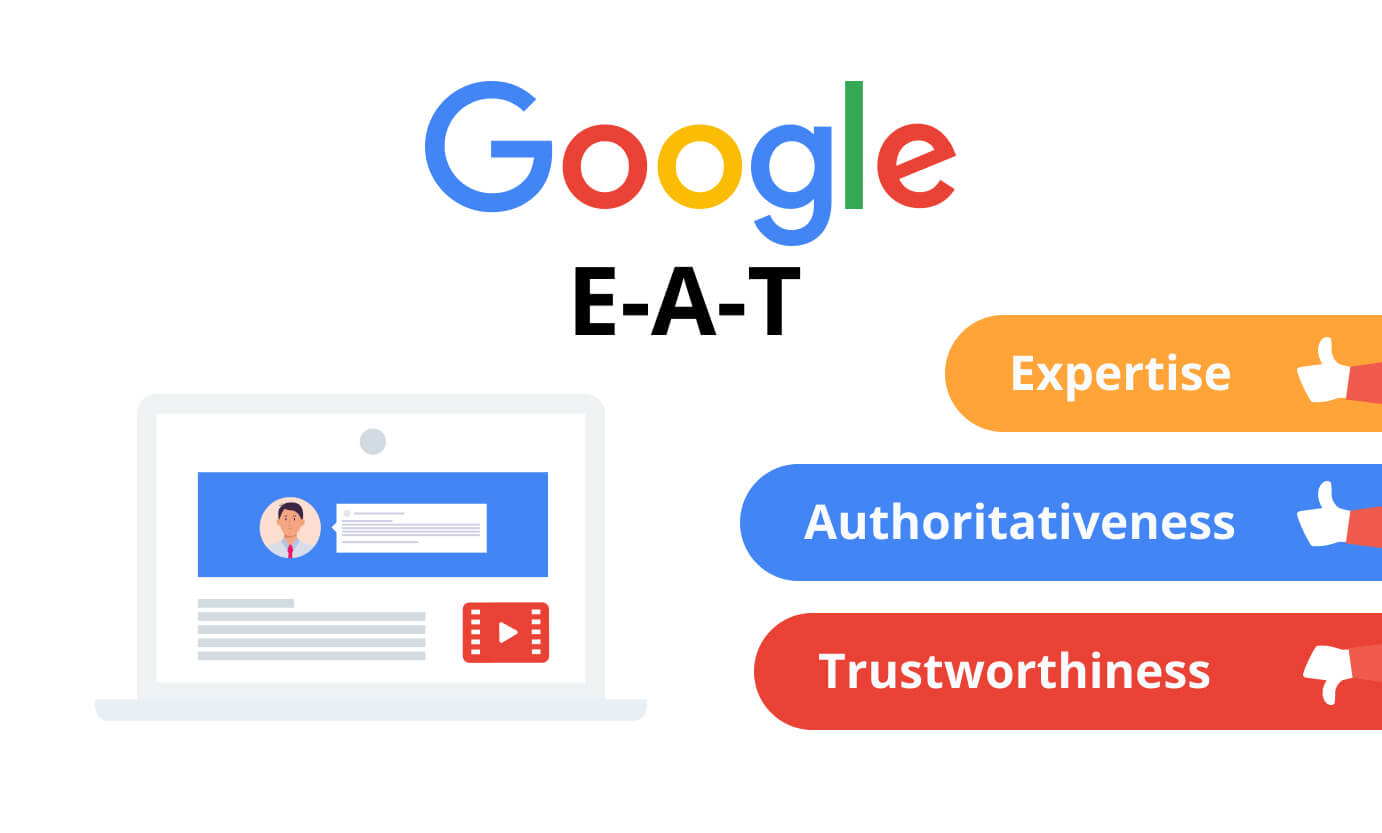
E-E-A-T stands for Experience, Expertise, Authoritativeness, and Trustworthiness. Google employs these criteria to assess the quality of content and its creators. For content to rank well, it must demonstrate:
-
Experience: Personal involvement or firsthand knowledge of the topic.
-
Expertise: In-depth understanding and proficiency in the subject matter.
-
Authoritativeness: Recognition by peers or institutions as a credible source.
-
Trustworthiness: Reliability and accuracy of the information presented.
Incorporating these elements ensures that content meets Google’s quality standards and provides value to readers.
2. Conducting Thorough Keyword Research
Effective keyword research is the foundation of SEO content. Utilize tools like Google Keyword Planner, Ahrefs, or SEMrush to identify relevant keywords with substantial search volume and manageable competition. Focus on:
-
Long-tail Keywords: Phrases that are more specific and less competitive.
-
Search Intent: Understanding whether users seek information, products, or services.
-
Semantic Variants: Including synonyms and related terms to capture a broader audience.
Integrating these keywords naturally into your content enhances its discoverability.
3. Crafting Engaging and Informative Content
Content should address the needs and questions of your target audience. To achieve this:
-
Answer “People Also Ask” Queries: Use Google’s “People Also Ask” feature to identify common questions related to your topic and incorporate comprehensive answers.
-
Provide Value: Offer solutions, insights, or information that directly benefits the reader.
-
Maintain Readability: Use clear language, short paragraphs, and bullet points to enhance user experience.
High-quality content not only satisfies search engines but also engages readers, encouraging them to spend more time on your page.
4. Optimizing On-Page SEO Elements
On-page SEO refers to the optimization of individual web pages to rank higher and earn more relevant traffic. Key elements include:
-
Title Tags: Craft compelling titles that include primary keywords.
-
Meta Descriptions: Write concise summaries that entice users to click.
-
Header Tags (H1, H2, H3): Organize content hierarchically for better readability.
-
Image Alt Text: Describe images accurately to improve accessibility and SEO.
-
Internal Linking: Link to other relevant pages within your site to enhance navigation and SEO.
Proper optimization of these elements ensures that search engines can easily crawl and index your content.
5. Building Authoritative Backlinks
Backlinks are links from other websites to your content. They serve as endorsements of your content’s credibility. To acquire quality backlinks:
-
Guest Posting: Write articles for reputable websites in your niche.
-
Content Promotion: Share your content on social media and other platforms.
-
Collaborations: Partner with influencers or other content creators for mutual promotion.
Quality backlinks from authoritative sites can significantly boost your content’s ranking.
6. Ensuring Mobile-Friendliness and Fast Loading Speed
With the increasing use of mobile devices, Google prioritizes mobile-friendly websites in its rankings. To optimize:
-
Responsive Design: Ensure your website adjusts seamlessly to different screen sizes.
-
Page Speed: Use tools like Google PageSpeed Insights to analyze and improve loading times.
-
User Experience: Simplify navigation and reduce pop-ups to enhance mobile usability.
A mobile-optimized site improves user experience and contributes to better rankings.
7. Monitoring Performance and Making Adjustments
SEO is an ongoing process. Regularly monitor your content’s performance using tools like Google Analytics and Google Search Console. Key metrics to track include:
-
Organic Traffic: The number of visitors arriving via search engines.
-
Bounce Rate: The percentage of visitors who leave after viewing only one page.
-
Average Session Duration: The average time users spend on your site.
Based on these insights, make necessary adjustments to improve performance.
Read More: Lupe Gidley: Life, Family, and Legacy
Conclusion
Creating content that ranks well on Google requires a harmonious blend of SEO best practices and a deep understanding of user intent. By focusing on E-E-A-T principles, conducting thorough keyword research, crafting valuable content, optimizing on-page elements, building authoritative backlinks, ensuring mobile-friendliness, and continuously monitoring performance, content creators can enhance their visibility and credibility in the digital realm.
Remember, SEO is not a one-time effort but an ongoing strategy that evolves with search engine algorithms and user behaviors. By staying informed and adaptable, you can ensure that your content remains relevant and continues to rank favorably in search results.
FAQs:
-
What is E-E-A-T, and why is it important for SEO?
-
E-E-A-T stands for Experience, Expertise, Authoritativeness, and Trustworthiness. It’s crucial for SEO because Google uses these criteria to assess the quality of content and its creators, impacting search rankings.
-
-
How do I conduct effective keyword research?
-
Utilize tools like Google Keyword Planner, Ahrefs, or SEMrush to identify relevant keywords. Focus on long-tail keywords, understand user search intent, and incorporate semantic variants.
-
-
What are some best practices for on-page SEO?
-
Optimize title tags, meta descriptions, header tags, image alt text, and use internal linking. Ensure content is well-structured and includes relevant keywords.
-
-
How can I acquire quality backlinks?
-
Engage in guest posting, promote your content on social media, and collaborate with influencers or other content creators to earn backlinks from authoritative sites.
-
-
Why is mobile optimization important for SEO?
-
With the rise of mobile device usage, Google prioritizes mobile-friendly websites in its rankings. A responsive design and fast loading speeds enhance user experience and contribute to better SEO performance.
-
1 thought on “Mastering: Crafting Content That Ranks High in Google”