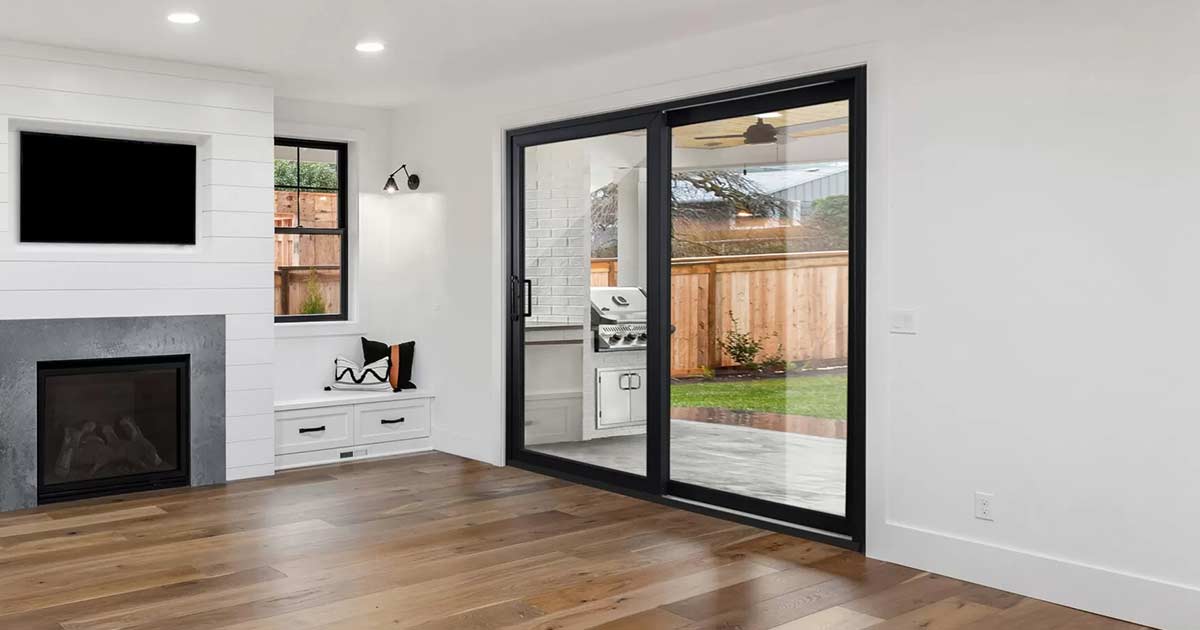
Sliding doors have become an essential feature in modern architecture. They offer style, functionality, and convenience while enhancing the overall design of a home or commercial property, notes C&C Property Management team. Unlike traditional hinged doors, sliding doors operate by gliding along a track, making them space-saving and visually appealing. Their ability to connect indoor and outdoor spaces seamlessly has made them a favourite among homeowners and designers.
Understanding sliding doors requires more than admiring their elegance. The choice of material, design, and functionality impacts durability, energy efficiency, and comfort. Homeowners exploring sliding door options often seek both aesthetics and long-term value.
History and Evolution of Sliding Doors
The concept of sliding doors traces back to ancient Japan, where shoji doors made from wood and paper allowed rooms to transform easily. Over time, this functional design evolved into sophisticated systems using glass, aluminium, wood, and composite materials.
Today, sliding doors represent a blend of tradition and innovation. From minimalistic designs to advanced models with thermal insulation and noise reduction, the evolution reflects the demand for both beauty and practicality. The rise of energy-efficient construction has also fueled advancements in sliding door technology, making them an integral element in sustainable living.
Types of Sliding Doors
Sliding doors come in various forms, each catering to specific needs. Patio sliding doors remain one of the most popular choices, offering wide openings to gardens, decks, or balconies. Pocket sliding doors disappear into the wall cavity, creating a sleek and modern aesthetic. Barn-style sliding doors bring a rustic charm while saving space in smaller rooms. Multi-panel sliding systems extend across wide walls, ideal for homes with panoramic views.
The choice often depends on architectural style, available space, and personal preference. Each type provides a unique blend of functionality and design, making sliding doors versatile in residential and commercial projects.
Materials Used in Sliding Doors
Material selection defines the strength, appearance, and maintenance requirements of sliding doors. Glass remains the most common choice due to its ability to allow natural light and create a sense of openness. High-performance glass options improve insulation and block harmful UV rays.
Aluminium frames provide durability and resistance to weather conditions, while offering sleek, modern lines. Wooden frames add warmth and character, although they require more maintenance to prevent warping or rot. Vinyl frames offer affordability and energy efficiency, making them a popular option for budget-conscious homeowners. Composite materials combine the best qualities of different elements, delivering strength, style, and longevity.
Benefits of Sliding Doors
Sliding doors deliver multiple advantages that extend beyond aesthetics. Their space-saving design allows furniture placement without obstruction. Large glass panels bring in natural light, creating brighter interiors and reducing reliance on artificial lighting.
They also improve airflow when opened, promoting ventilation and comfort. Modern sliding doors come with secure locking systems, ensuring safety while maintaining elegance. Energy-efficient glazing reduces heat transfer, keeping homes cooler in summer and warmer in winter, which translates into lower energy bills.
Another benefit involves accessibility. The smooth gliding motion makes them user-friendly for people of all ages, including children and seniors. For homes with outdoor areas, sliding doors create seamless transitions, blurring the boundaries between inside and outside living.
Installation and Professional Expertise
While some homeowners may attempt installation, sliding doors require precision. A misaligned track can cause improper sealing, drafts, and operational issues. Professional installers bring expertise, ensuring accurate measurement, secure fitting, and proper sealing.
Certified contractors understand the nuances of each material and style, tailoring the installation to the property’s needs. They also provide warranties for both product and labour, giving peace of mind that the investment remains protected. Choosing professional installation ensures smooth operation, energy efficiency, and long-term durability.
Maintenance and Longevity
Sliding doors last for decades when properly maintained. Regular cleaning of tracks prevents dirt buildup that may affect gliding motion. Lubrication of rollers enhances performance and reduces wear. Checking seals ensures energy efficiency remains intact.
Glass panels benefit from routine cleaning to preserve clarity and maximise natural light. Wooden frames may require occasional sealing or painting to protect against moisture. Aluminium and vinyl frames need minimal maintenance, often just a wipe-down with mild detergent.
By adopting simple maintenance habits, homeowners preserve functionality and appearance while extending the lifespan of their sliding doors.
Cost Considerations
The cost of sliding doors varies widely depending on size, material, glass type, and customisation. Standard patio sliding doors fall within a moderate price range, while custom multi-panel systems represent a higher investment. Energy-efficient glass and premium materials increase upfront costs but reduce long-term energy expenses.
Homeowners should view sliding doors as an investment in lifestyle and property value. They enhance aesthetics, improve functionality, and increase resale appeal. Requesting quotes from multiple professionals provides clarity on costs and helps in making an informed decision.
Sliding Doors in Sustainable Living
Sustainability remains a growing concern in modern design, and sliding doors contribute to eco-friendly living. Energy-efficient glazing reduces reliance on heating and cooling systems. The influx of natural light lowers electricity use during daylight hours.
Recyclable materials like aluminium and glass minimise environmental impact. By incorporating sliding doors into eco-conscious homes, homeowners support sustainable construction while enjoying comfort and savings.
Trends in Sliding Door Design
Current trends showcase sliding doors with ultra-slim frames, maximising glass area for unobstructed views. Smart technology integration allows homeowners to control doors with remote systems or mobile apps. Some models feature built-in blinds between glass panes, offering privacy and light control without external accessories.
Colour customisation also plays a significant role. From matte black frames to natural wood tones, sliding doors adapt to modern, rustic, or minimalist interiors. Designers continue to experiment with textures and finishes, making sliding doors a versatile design element.
Choosing the Right Sliding Door
Selecting the right sliding door involves considering lifestyle, climate, and architectural design. Families with young children may prioritise safety features, while homeowners in colder regions may require double-glazed or insulated models. Those living near the coast often select corrosion-resistant materials.
Consulting with experts ensures the chosen sliding door meets both functional and aesthetic needs. Professional guidance provides clarity on energy ratings, maintenance requirements, and durability under local conditions.
Conclusion
Sliding doors embody the perfect blend of elegance and practicality. From connecting living rooms to outdoor spaces to adding light and airflow, they enhance modern living in countless ways. With a wide range of styles, materials, and features, sliding doors cater to diverse preferences and budgets.
Homeowners who invest in high-quality sliding doors not only elevate design but also gain energy efficiency, durability, and property value. With professional installation, regular maintenance, and thoughtful selection, sliding doors become a timeless addition that enriches comfort, beauty, and lifestyle.
FAQs
What are the benefits of sliding doors?
They save space, bring natural light, improve airflow, and connect indoor and outdoor areas.
Which materials are best for sliding doors?
Glass with aluminium, vinyl, wood, or composite frames, depending on style and durability.
Are sliding doors energy efficient?
Yes, modern sliding doors with insulated glass and seals reduce energy loss effectively.
How do I maintain sliding doors?
Clean tracks, lubricate rollers, and check seals regularly to ensure smooth operation.
Can sliding doors increase home value?
Yes, they enhance design, improve energy efficiency, and boost overall property appeal.
Read more: EV Charger: Fast, Reliable & Smart Charging Solutions for EVs
3 thoughts on “Sliding Doors: Stylish, Durable & Energy-Efficient Home Solutions”