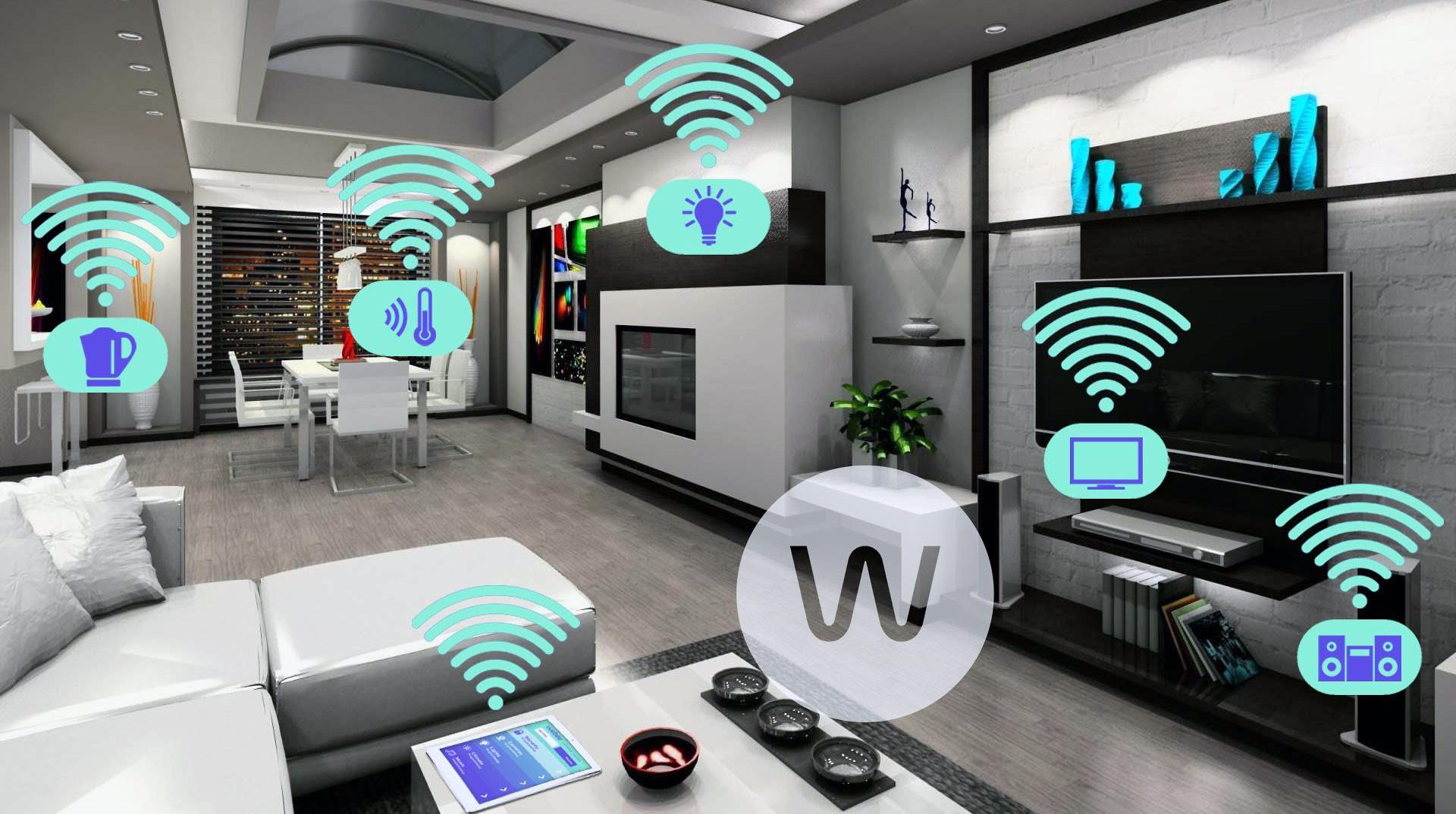
Smart home technology no longer feels futuristic. According to leading property management in Indianapolis area, BHB Real Estate Group, it has entered everyday life, reshaping how people live, work, and interact with their spaces.
From intelligent lighting systems to voice-controlled assistants, connected devices create comfort, security, and efficiency. Homeowners worldwide embrace these solutions not just as luxuries but as essentials for modern living.
Understanding Smart Home Technology
Smart home technology refers to systems and devices connected through the internet, allowing remote monitoring and control. These devices communicate with each other, often managed by apps or voice assistants. The core idea revolves around automation and integration. Instead of operating each appliance separately, homeowners enjoy seamless control through smartphones or hubs.
Smart thermostats adjust indoor climate based on habits and preferences. Lighting systems dim or brighten automatically depending on the time of day. Security cameras stream live footage directly to mobile devices. All these functions aim to save energy, enhance safety, and simplify routines.
Evolution of Connected Living
The journey of smart homes began with basic home automation. Early systems focused on remote-controlled garage doors or programmable thermostats. Over time, advancements in wireless networks and artificial intelligence transformed possibilities. Devices that once felt isolated now connect in a cohesive ecosystem.
Today, integration matters as much as innovation. A smart speaker doesn’t just play music—it links with lighting, locks, and even appliances. The real transformation lies in creating an environment where every system communicates effortlessly, anticipating needs before they arise.
Benefits of Smart Home Technology
Homeowners adopt smart solutions for convenience, but the advantages extend further. Energy efficiency plays a major role. Smart thermostats and lighting reduce unnecessary consumption, cutting utility bills while supporting sustainability. Security also improves with real-time monitoring, motion sensors, and automated locks. Families feel safer knowing alerts arrive instantly when unusual activity occurs.
Comfort represents another powerful advantage. Imagine adjusting the temperature before arriving home or setting coffee machines to start brewing at sunrise. These small details improve daily life, creating smoother routines and reducing stress. Smart technology adapts to personal habits, tailoring environments to unique lifestyles.
Smart Security Systems
Security remains one of the fastest-growing areas in smart home technology. Modern systems include doorbell cameras, motion detectors, and automated locks. Instead of relying on traditional alarms, homeowners receive instant notifications when doors open or motion sensors activate. Live video feeds allow remote viewing from anywhere.
Smart locks enhance access control, eliminating the need for physical keys. Temporary codes grant entry to guests, cleaners, or delivery services without compromising security. Integration with lighting further strengthens safety by simulating occupancy even when residents travel.
Energy Efficiency and Sustainability
Sustainability drives innovation in smart home technology. Devices reduce waste by monitoring consumption and making adjustments automatically. Smart thermostats learn patterns, lowering energy use during absence and optimising settings based on weather conditions. Lighting systems employ motion detection to avoid unnecessary usage.
Water-saving smart sprinklers adjust schedules according to soil moisture and local forecasts, preventing overwatering. Energy monitoring plugs track individual appliances, identifying inefficiencies and encouraging smarter usage. The overall effect reduces environmental impact while lowering monthly expenses.
Entertainment and Lifestyle Integration
Smart home technology extends beyond efficiency and security into lifestyle and entertainment. Voice assistants control music, answer questions, and manage connected devices. Smart TVs integrate with streaming platforms, offering personalised content recommendations. Whole-house audio systems synchronise playlists across multiple rooms.
Lifestyle improvements also involve health and wellness. Smart air purifiers monitor indoor air quality, while connected fitness equipment brings interactive training sessions into living rooms. Kitchens benefit from smart refrigerators that track groceries and suggest recipes. These integrations blend technology with daily activities, creating a seamless digital ecosystem.
Challenges and Concerns
Despite its benefits, smart home technology faces challenges. Privacy remains a top concern. Devices collect vast amounts of data, raising questions about security and information sharing. Choosing trusted brands with strong encryption and regular updates reduces risk.
Compatibility also presents obstacles. Not all devices communicate with each other, leading to frustration. Homeowners often need hubs or platforms that bridge different systems. Standardisation continues to evolve, promising smoother integration in the future.
Another challenge involves cost. Initial investments in smart devices can feel high, though long-term savings often offset the expense. Homeowners need to balance upfront costs with potential efficiency gains and convenience.
Future of Smart Homes
The future of smart home technology looks increasingly intelligent. Artificial intelligence and machine learning will allow devices to predict needs more accurately. Homes may eventually manage energy distribution, security, and comfort without direct input. Voice recognition and natural language processing will continue to improve, making interactions even more intuitive.
Integration with renewable energy also holds promise. Solar panels connected to smart grids can optimise energy usage, storing excess power for later. Electric vehicle charging stations will sync with home energy systems, ensuring efficient use of resources. The line between home technology and broader urban infrastructure will blur, creating smart communities powered by interconnected networks.
Making Smart Choices
Adopting smart home technology requires thoughtful decisions. Researching devices, comparing features, and reading expert reviews ensures reliable performance. Homeowners should prioritise systems that match lifestyle needs rather than chasing every new gadget.
Professional installation sometimes proves necessary, especially for complex security or climate systems. DIY setups work well for simpler devices like smart plugs or speakers. Balancing convenience, reliability, and safety creates the best outcomes.
Conclusion
Smart home technology transforms living spaces into responsive, intelligent environments. It delivers convenience, safety, and sustainability while shaping future lifestyles. Homeowners who approach adoption with planning and awareness enjoy smoother integration and long-term benefits.
While challenges such as privacy and compatibility remain, innovation continues to push boundaries. Embracing smart home technology means more than upgrading devices—it means stepping into a future where homes actively support and enhance daily life.
FAQs
What is smart home technology?
Smart home technology connects devices through the internet, allowing remote control and automation for daily tasks.
How does smart home technology improve security?
It offers smart locks, cameras, motion sensors, and instant alerts to protect homes and manage access remotely.
Can smart home devices save energy?
Yes, smart thermostats, lighting, and appliances reduce waste by adjusting usage based on habits and conditions.
Are smart homes expensive to set up?
Initial costs can feel high, but long-term savings from energy efficiency and convenience offset investments.
What is the future of smart home technology?
Future smart homes will feature AI-driven automation, renewable energy integration, and improved device compatibility.
1 thought on “Smart Home Technology Benefits, Trends, and Future Insights”